Categories
Colonoscopy Gastroenterologist Kartik Goyal

What Is Colonoscopy, Why Is It Used, And What Are Its Risk Factors?

A colonoscopy is basically a test that the doctor takes to look for any kind of changes such as swollen, irritated tissues, cancer, or polyps in the rectum or large intestine (colon). The help of a video camera that the doctor attached to the tip of a tube makes it possible for the Gastro doctor in Ludhiana to get a view of the entire colon.

In fact, if it is deemed necessary, the doctor can also remove polyps and some other types of abnormal tissues via scope at the time of colonoscopy. Apart from that, the surgeon is also liable to take the tissue samples known as biopsies during colonoscopies.

Why Do The Doctors Conduct Colonoscopy?

  • To investigate intestinal symptoms and signs

With the help of a colonoscopy, the doctor can explore many possible causes of abdominal pain, chronic diarrhea, rectal bleeding, and other intestinal problems.

  • Screening for colon cancer

If you are the age 45 or more, then you might be at average risk of colon cancer. There is no other risk factor associated with colon cancer than age. This is why your doctor might advise you to have a Colonoscopy in Ludhiana after every ten years. In case you have some other risk factors, then there is a chance for the doctor to ask you to have a screen sooner than later. It is one of the few options that help in screening for colon cancer.

  • Look for more polyps.

If you have a history of polyps, then there is a good chance that your doctor might suggest a follow-up colonoscopy to look at and remove the additional polyps. The doctor conducts this procedure to reduce the risk of colon cancer.

  • Treat a condition

There are also situations wherein the surgeon might conduct the colonoscopy for treatment purposes. Some of those treatments include placing a stent or removing the object from the colon.

What Are The Risk Factors Of Undergoing Colonoscopy?

There are few risks associated with colonoscopy. Although all these are for rare occasions, it is still wise to know all the details beforehand for better understanding.

  • There can be a reaction to sedatives that the doctor uses at the time of the exam.

  • There is bleeding from the site where the doctor took a tissue sample, also known as a biopsy.

  • Bleeding from a polyp or some other abnormal tissues, which the doctor removes.

  • There is a tear in the rectum wall (perforation) of the colon.

How Can You Prepare For The Colonoscopy?

Before the doctor begins the procedure of colonoscopy, they might ask you to empty or clean out the colon. If there is any residue in the colon, then the doctor might find it challenging to get a good view of your colon as well as the rectum at the time of the test.

To clean your colon, the doctor might ask you to:

  • Follow a special diet the day before the exam

  • Take a laxative.

  • Adjust your medications.

Final Comments

Schedule your initial consultation with Ludhiana Gastro & Gynae Center. 

Categories
Gastroenterologist Gastroenterology Kartik Goyal

Everything you should know about an intragastric balloon for weight loss treatment

Intragastric Balloon For Weight Loss Treatment

The intragastric balloon treatment makes one of the most appropriate choices for weight loss. The procedure uses endoscopy to fill the stomach with a balloon and limit the intragastric space. The stomach stays there for six months, and Intragastric Balloon for Weight Loss in Punjab helps the patients lose around 10 to 15 kg. So, if you have been searching for weight loss treatment, then better consult the doctor.

Procedure of endoscopic guidance

The silicon balloon gets placed in the stomach through endoscopic guidance. The procedure aims to make you feel full and reduce your hunger feeling. Don’t consider the procedure a permanent weight loss treatment. The market have different types and sizes of balloons. Depending on what’s best for you, the doctor will suggest the necessary choice when you visit for the initial consultation at Gastro hospital in Ludhiana and clarify all your doubts.

Signs that I need to undergo intragastric balloon treatment (For weight loss)

  • BMI is more than 30, and therefore, your condition demands an effective approach
  • Class 2 obesity (BMI falls between 32 to 37) and surgery is impossible due to other health issues.
  • For BMI > 37, procedure makes best before bariatric surgery to ensure there’s no problem linked to the surgical approach.
  • All the dietary measures have failed, and you have conditions like infertility, PCOS, and other problems.

With all these conditions, you must consult a medical expert without worrying about anything.

The expert team performs weight loss surgery in Ludhiana

There’s no need for surgery during intragastric balloon for weight loss treatment. The medical expert team will give you a necessary treatment plan to improve your condition. When you consult the doctor, you will get the following information:

  • Right kind of assessment.
  • Proper guidance is available to you.
  • Discuss the different methods. Make sure to ask any questions that come to your mind.
  • Depending on the initial evaluation and diagnosis, the team informs that you are a suitable candidate for intragastric balloon treatment for weight loss.

Are there any tests done before the weight loss treatment?

  • Hemogram, RBS, HbA1C
  • Cortisol, Blood Group
  • Calcium, S. Magnesium
  • GAD Antibodies, IA2 Antibodies (in diabetic patients)
  • His Ag, HIV I & II, Anti HCV, VDRL, Urine RE
  • ECG, X-Ray Chest PA, USG abdomen, Dexa Scan
  • C peptide fasting, C peptide 1 hr pp, Insulin fasting
  • Liver function test, Lipid Profile, Thyroid function test, and Renal function test

Placement of the intragastric balloon

The procedure requires endoscopy and mild anesthesia. The tube contains a camera to see the inside of the stomach. The balloon is silicone elastomer, soft and pliable. The balloon gets placed through sterile solution or air. Following that, the doctor gently pulls the catheter from the inner side, and the balloon self-sealing valve won’t result in leakage or air. The procedure takes 20 minutes. You might need to stay overnight or return home a few days after surgery.

Do you have any doubts?

Schedule your initial consultation at Ludhiana Gastro & Gynae Centre to seek all necessary information.

Categories
Kartik Goyal Painless Delivery

Painless Delivery: What makes painless delivery the best choice for you?

Painless Delivery: Is it the best choice for you?

Pregnancy is one of the most beautiful phases in every woman’s life. But, most women worry about the labor pain and how to manage it. Many women who have experienced it do term it as a painful condition. Advanced medical intervention has made it possible for women to choose painless normal delivery. One of the most effective approaches to making a difference is Painless Normal Delivery in Ludhiana, allowing women to feel the utmost comfort.

Doctors have focused on giving women the best practices with medical advancement and expertise. Your Obstetrician Gynecologist In Punjab will guide you in detail about the necessary option and whether the choice is ideal for you. Moreover, the gynecologist will even share the essential tips to prepare yourself for painless delivery.

How to prepare yourself for painless delivery?

Here are some of the essential tips to prepare yourself for painless delivery:

  • Walk every day to build your stamina

During pregnancy, an active lifestyle is essential. It would help if you started walking every single day. Being fit is vital so that your pregnancy journey goes smoothly.

  • Follow breathing exercises to calm yourself

During pregnancy, you should stay active and keep yourself calm. The exercise regime includes squats or using a bouncing ball. Make it a daily routine to keep yourself fit.

  • Choose someone with you to guide you

You need someone to support you during your pregnancy. This way, it will help you manage everything effectively and take down your stress levels.

  • Follow suggestions of your gynae

You should follow all the necessary suggestions of your gynecologist. The doctor will always ensure that your health is in a better state, and if something is not right, you will know how to take proper care.

Can childbirth be painful?

When you visit the gynecologist, he will suggest all about necessary options. Depending on your condition, the doctor will guide you through the essential stages that come your way. So, to answer your concern once and for all: Childbirth can be painless.

And to do that, the use of epidural anesthesia is what you need. The epidural is injected into the spine, a pain relief option. The need for injection only occurs if you are in active labor and when you have three contractions at least every 10 minutes.

Is epidural painless?

Epidural is painless, limiting pain and reducing lower half sensation. And that’s not all. An epidural injection is safe for mother and baby. As it’s a method of pain control, it offers several benefits like:

  • Provide relief from exhaustion and irritability.
  • Help in relaxing
  • Aid in refocusing on labor
  • Move forward as active participants in their birth experience.
Categories
Gastroenterologist Health Kartik Goyal

How are modern medicine and Ayurvedic medicine different from each other?

The improved and technologically updated medical system is nothing less than a blessing in disguise for everyone around us. The approach to health care keeps on getting better, and the individual struggling with a specific health issue gets the perfect treatment plan. The medical system is exceptionally vast as there are:

  • Modern medicine
  • Ayurvedic medicine

The availability of the latest treatment plan does create confusion in the person’s mind. Whether to choose the Gastrologist in Punjab or any other medical expert.

Please Note!

The blog is not intended to take down any system of medicines and has no intention to force somebody to choose a particular option. The only motive is to highlight the difference between the two.

Difference: Modern and Ayurvedic Medicine

Difference 1: Approach for health care

Physically if you have any health issues, modern medicine provides the utmost relief. The reason to seek assistance at one of the Gastroenterology Hospital in Ludhiana is how the doctor handles the problem. Suppose if you have severe heartburn, then you need gastrologist help.

With Ayurveda, the approach is different as treatment includes a holistic approach. The Ayurvedic doctor emphasizes the treatment plan by including all three other aspects.

Difference 2: Evidence-based treatment

When you visit the Gastro doctor in Ludhiana, only after performing a detailed diagnosis and knowing the reason behind the digestive problem; will you get the treatment. No matter which treatment you get, it’s an evidence-based approach. So, modern medicine gets an approval after trials and errors.

With Ayurveda, the approach is scientific, and they have its principles for treating a health issue.

Difference 3: Giving importance to diet and lifestyle

Undoubtedly, modern medicine has transformed a lot compared to the past. Modern medicine emphasizes changing diet and lifestyle as your treatment plan continues.

On the other hand, an Ayurvedic practitioner tells you to focus on balancing diet and lifestyle.

One thing that no one can deny is the limelight that the SUPPLEMENTS get for the health benefits to improve/reduce the chances of health concerns. These are all-natural approaches that eliminate the worry of being toxic or unsafe. But, still, you have to take the supplements under medical assistance every time.

Difference 4: Treatment for chronic and acute disease

If you look deep into both the systems, Ayurvedic and modern medicine give treatment for both situations. But sometimes, if the problem is worse or extremely severe, a surgical approach is required. And that is why the modern medicine path gets attention.

What to choose?

Both of the options follow a different approach. It’s all about getting assistance from medical experts to take the best care of your well-being. All in all, it’s like choosing the healthcare system that has the necessary answer for your condition. The ultimate goal is to feel good about yourself and address the issue.

Are you dealing with a gastric problem?

Schedule an initial consultation at Ludhiana Gastro & Gynae Centre, Don’t delay the situation; otherwise, it can be something profound in the future. Book your initial appointment to make an informed decision for your overall health.

Categories
Gastroenterologist Gastroenterology Gynecologist Kartik Goyal

Common Questions About Gastroenterology And Its Common Treatment

What Is Gastroenterology?

Gastroenterology is basically a generic medicine that is a subspecialty. It mainly focuses on the digestive system, the organs that are associated with it, and its disorders. The primary function of the gastrointestinal system is to assimilate nutrients, digest and transfer food, and also eliminate toxins from the body. Gastroenterology mainly concerns the diseases that affect the organs. The concern starts from the mouth to the anus, also known as the gastroenterology tract.

 What Are The Most Common Gastroenterology Diseases

Gastro doctor in Ludhiana is able to cure many different types of illness, including ulcers, acid reflux, hepatitis C, polyps or growths that happens in the large intestine, hemorrhoids, jaundice, pancreatitis (inflammation in the pancreas), bloody stool, constipation, colon cancer, acute or chronic diarrhea, defecation problems, hemorrhoids, irritable bowel syndrome, rectal problems in women, some other inflammatory bowel diseases such as ulcerative colitis, Crohn’s diseases and many more.

Some of the most common symptoms of these diseases are mostly ranging widely, such as nausea, vomiting, loose motions, constipation, rectal bleeding, loss of appetite, pale-colored stools, loss of weight, and lethargy.

We highly recommend you seek professional help if you notice any of the given symptoms or issues. You can get Gastroenterology Treatments in Ludhiana without any delay and get rid of any problems that concern your overall health. 

Who Are Gastroenterologists?

Gastroenterologists are typically trained professionals who have specialized in the field of treating gastroenterology issues in the body. They generally have a training and education of a total of 10 years that includes undergraduate medical education, an MD in internal medicine, a Dm, or even a fellowship in gastroenterology. The doctors for gastrology conduct various diagnostic and remedial examinations that include ERCP, endoscopy, gastrology, endoscopic, liver biopsy, and ultrasound. Apart from that, there are also some gastroenterologists that can perform various advanced hepatology, endoscopy, and treatments for ulcerative colitis and Crohn’s diseases.

 When Should You Consult A Gastroenterologist?

You must immediately consult or seek help from an expert (gastroenterology doctor) if you notice any unexplained pain or complaints in the abdominal area. Apart from that, if a patient is suffering from any abdominal pain, they must contact the gastroenterology specialist without delay. In some cases, people who are above the age of 50 unusually contact a gastroenterologist for some precautionary measures as they are at higher risk of contracting colon cancer.

What Kind Of Treatments Do Our Gastrologists Give?

We hire our gastroenterologists doctors who are highly educated and skillful at diagnosing and treating the ailment and disorders associated with the gastrointestinal tract, also known as GI. Some of those areas include the esophagus, small intestine, stomach, large intestine (colon), and also the biliary system (pancreas, liver, bile ducts, and gallbladder). Apart from that, a gastroenterologist will be more comfortable or skilled in guiding the symptoms and the conditions of the GI organs, including:

  1. Liver problem
  2. Nausea
  3. Gastritis
  4. Abdominal pain
Categories
Gastroenterologist Kartik Goyal The Medical Hub

Frequent Heartburn & Indigestion: What is the reason behind it?

Do you have heartburn and indigestion?

Medically the problem is referred to as GERD (Gastroesophageal Reflux Disease). The problem occurs due to reflux of stomach content that goes to the food pipe. The name is also known as GERD of acid reflux. GERD is referred to as a chronic condition, so you must visit one of the leading Gastroenterology Hospital in Ludhiana to take the best care of yourself.

What are the reasons behind GERD?

GERD occurs when LES relaxes for a long duration in not the proper manner, and then acid reflux occurs. Moreover, LES has not closed appropriately, and then all the content present in the stomach goes back to the esophagus. Acid reflux can happen from time to time which often triggers feelings of heartburn and indigestion.

Are you pregnant?

If you are trying to conceive or pregnant, taking care of your gastro health is equally essential. If you have trouble managing your gastro health, visit the well-known Gynecologist In Ludhiana to have clarity on how to take care of yourself during your pregnancy journey.

What are the common symptoms of GERD?

Here are some of the common symptoms of GERD:

  • Feeling of indigestion
  • Heartburn

These symptoms are noticed in the mid-abdomen, behind the breast bone, and mid-chest area. Apart from the given common symptoms: Adults and children under 12 often complain about:

  • Dry cough
  • Asthma
  • Sore throat
  • Problem swallowing

All these factors can come along with chest pain. Just make sure not to ignore any of the symptoms; otherwise, the situation can worsen.

Are there any risk factors for GERD?

If you notice refluxes sometimes, then it’s completely fine. But, when the problem keeps coming back together, you have to seek medical assistance at the earliest. GERD needs treatment on time. Otherwise, it can lead to severe health concerns. GERD can occur in individuals at any age, and some of the possible risk factors are:

  • Obesity – especially recent weight gain
  • Pregnancy
  • Smoking
  • Hiatus hernia
  • Delayed stomach emptying

Is there any food that makes GERD worse?

Make sure to avoid the list of given food options:

  • Fruits of citrus or acidic nature
  • Chocolate, alcohol, and coffee
  • Tomato-based foods
  • Fatty, spicy, and fried foods
  • Garlic, onions, and mint flavorings

Are there any long-term complications with GERD?

If GERD is not treated, then problem gets worse with time, and it can trigger several complications like:

  • Tissue damage due to csra
  • Barrett’s esophagus
  • Inflammation in the esophagus
  • Pulmonary fibrosis

How do doctors diagnose GERD?

The doctor diagnoses GERD through given ways:

  • Check the symptoms
  • Perform endoscopy
  • 24 hour ambulatory PH monitoring

What are the treatment options for GERD?

The gastroenterologist suggests the treatment options depending on your present state’s diagnostic test results. Sometimes a combinational approach is used to transform the patient’s condition. The possible treatment options are:

  • Suggesting necessary lifestyle changes
  • Medication
  • Surgery
Categories
Gastroenterologist Kartik Goyal The Medical Hub

How to determine it’s time to consult a medical expert for GI care?

Do you struggle to understand when to consult a health expert?

It happens with everyone. Often the individual shows signs of visiting the Gastroenterology Hospital in Ludhiana, but they avoid or ignore the same. Whether your GI tract problem is mild or moderate, you need to consult the doctor to ensure the problem doesn’t get worse.

By consulting the Gastroenterologist in Ludhiana, you are in a better state, and there’s even surety that the symptoms you have are not severe. Even if they are, you are in a better state to seek immediate medical care by all means. One thing is sure: if you avoid getting GI medical care, then the situation will only worsen with time. So, better consult the medical expert without any delay.

A recent survey that shows the individuals state with GI-related issues

  • Around 89% reported an unhealthy diet pattern is the major contributing factor.
  • 74% showed that their GI symptoms had been there for around six months.
  • Around 72% compiled about GI problems.
  • 37% decided to pay a visit to the primary care provider to seek assistance to know about the symptoms they had been having for around six months.
  • Around 73% noticed 1 GI symptom once more than that in a month.

That’s not all. As per WHO, around 33% of the individuals experience GI-related problems like constipation and others.

What are the common symptoms of GI-related problems?

  • Bloating
  • Abdominal pain
  • Frequent bowel
  • Diarrhea
  • Unexplained weight loss
  • GI discomfort

Seek further evaluation and don’t ignore

GI-related health issues are often the reason for leading an unhealthy lifestyle, following an improper diet plan, smoking, taking medications without a prescription, and doing unwanted practices that trigger health issues.

What are the common symptoms of GI problems?

If you experience any of the following mentioned symptoms, then you need to schedule an initial consultation with the health expert:

  • Bowel movement changes, and you have diarrhea and constipation
  • Problem swallowing
  • Unexplained weight loss or weight gain
  • Stool consistency changes suddenly
  • Regular abdominal pain or discomfort
  • Heartburn, nausea, vomiting, and severe dyspepsia
  • Rectal bleeding or blood/presence of mucus in the stool

You need to discuss what’s right and wrong for your GI health to understand what necessary measures you have to take. Additionally, it’s worth encouraging the patient to get themselves screened for colon cancer risk. As you consult the doctor, you are even informed about the necessary preventive measures.

Also, make sure to get colorectal cancer screening at 45. You should ask the doctor about the same on how frequent you need to be, depending on your health.

Do you need any help?

Schedule your initial consultation at Ludhiana Gastro & Gynae Centre to determine the most appropriate treatment plan. Make sure to discuss with the doctor the necessary treatment plan required for your condition, and all are the essential changes you need to make in your daily life.

Categories
Bariatric Surgery Kartik Goyal

Everything you need to know about the Bariatric surgical procedure

Bariatric Surgery In India

Bariatric surgery In India is for all those individuals who are struggling with their weight and are extremely overweight. At one of the leading Gastroenterology Hospital in Ludhiana, under the expertise of a board-certified gastro doctor, you are all informed. This type of surgery is ideal in cases when the person’s BMI is more than 40. Ideally, this approach is suggested when other weight loss surgery or approach does not work in the right manner. Moreover, it’s like the person’s life is expected to a great extent, and they cannot even exercise properly.

What to do before bariatric surgery?

When you consult the Gastroenterologist in Ludhiana, he will evaluate your condition in the most effective manner. Most importantly, it analyzes whether you are all ready to get the surgery. One week before the surgery, you need to get a different test and various X-rays. Some important things to know before you get bariatric surgery:

  • Do not smoke one week before surgery and two months after surgery
  • Taking care of your overall health is essential.

If you cannot leave smoking, then better consult the doctor on how you can do that.

What happens on the day of bariatric surgery?

For patients with heart surgery, it’s crucial to keep a check on heart health. Before the procedure begins, you are given anesthesia to make sure you are all comfortable throughout the process. The entire surgery takes around 3 hours to perform.

How to take care of yourself after bariatric surgery?

After the bariatric surgery, you are under close watch for some time. Your breathing is analyzed to be sure your health is in a better space. In case you don’t feel like your health is fine or something is awkward, then make sure to ask the doctor about the same.

What happens after surgery, tubes, and drains?

While you are in the state of being unconscious, there are two tubes that are inserted into the body. One is for breathing, and another is to collect urine from the bladder. Ideally, after surgery, your throat is sore. The breathing will get back to a normal state after 2 hours of undergoing surgery.

How to manage pain after bariatric surgery?

For pain management, the patient is given an epidural or IV, which helps to get everything under control. The doctor will give you pain medication in small amounts and tell you everything. Just make sure that you take all the given pain medications on said time and do things as told by the surgeon.

Select the best surgeon to get the desired results

Being a surgical plan, there are certain complications but all that is managed when you consult an experienced gastro doctor. Schedule your initial consultation at Ludhiana Gastro & Gynae Centre to know better how everything is managed in the right manner. Don’tDon’t struggle with your weight-related problems when you can get bariatric surgery to make your condition better in all possible ways. In case there’s any doubt, then make sure to ask the doctor about the same.

Categories
Gastroenterologist Kartik Goyal liver disease

Gastro Guide: Everything you need to know about liver disease

The blog will highlight everything about liver disease to effectively enlighten you about the problem and what preventive measures you can take. You must visit one of the known Gastroenterologist in Ludhiana to seek the ultimate care for your gastro health and make your life better in all ways.

Which are the conditions that can damage liver disease?

Various conditions trigger liver disease like autoimmune hepatitis, hepatitis, fatty liver disease, alcohol-related fatty liver disease, liver cancer, and other problems. If you are dealing with any of these conditions, make sure to pay an immediate visit to one of the leading Gastroenterology Hospital in Ludhiana to seek timely assistance.

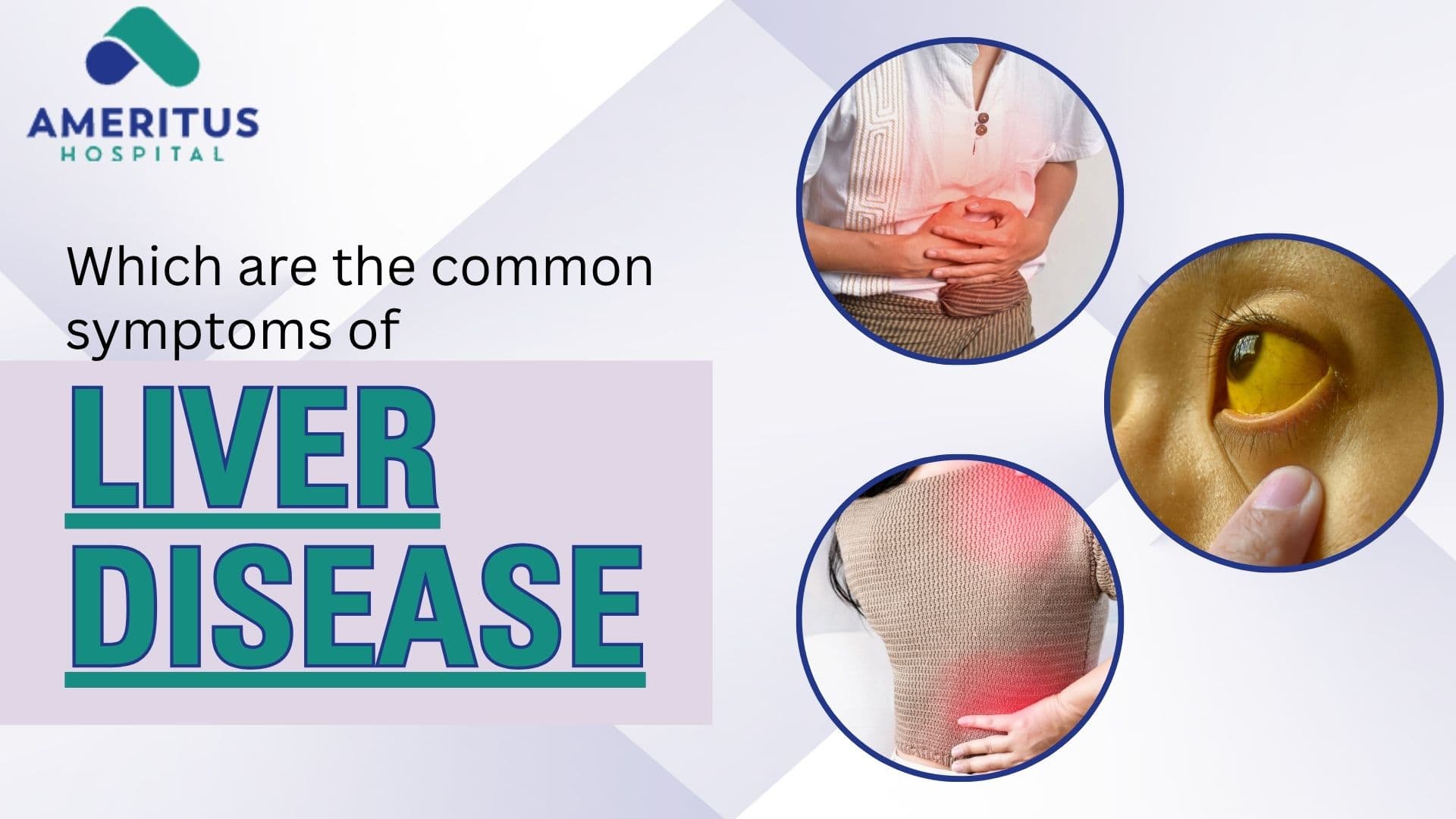
Which are the common symptoms of liver disease?

The liver disease symptoms depend on the specific condition you have. It’s possible initially, there are no symptoms, but as time passes by, the situation gets worse, and you start noticing the symptoms. Some of the most apparent symptoms are:

  • Yellowing of the eyes and skin (jaundice)
  • Chalky (gray) stools
  • Pain in the joints
  • Bloating or swelling in the belly
  • Loss of appetite
  • Nausea and vomiting
  • Pain in the upper right part of the belly

How is liver disease diagnosed and tested?

Medical science includes several tests to better analyze liver health. When the condition is checked, the medical history is analyzed, and a physical examination is performed to better understand the entire state. Some of the most common tests that are done are:

  • Blood test
  • Imaging test – CT scan, MRI, and Ultrasound
  • Biopsy

Depending on the symptoms you have and seeing your past medical history, the doctor will make the final call as to what to do next.

What are the Various treatment options?

Similarly, just the way symptoms are checked, the diagnosis is made. In the same manner, for every possible treatment plan, there’s a different treatment that is needed like:

  • Autoimmune hepatitis is treated through medications, and sometimes live transplant is suggested.
  • In the case of NAFLD, the treatment options include having a healthy diet, losing weight, not drinking alcohol, reducing cholesterol levels, and controlling diabetes.

When you consult the medical expert, he will guide you all effectively on which treatment is best to make your condition managed in all the right ways.

Are there any prevention tips for liver disease?

Some of the known prevention tips for liver disease are:

  • Ensure that you wash your hands regularly once you have gone to the washroom or changing diapers. Doing so ensures that the chances of infection are less.
  • Involve yourself in safe sex practices
  • Do not share your personal belongings like toothbrushes, needles, and brushes. Sharing such stuff increases the chances of infection.

Although, if you talk about autoimmune hepatitis, there is no such prevention tip.

Categories
Kartik Goyal peptic ulcers

Everything you need to know about peptic ulcers and their treatment options

Peptic Ulcer and Its treatment

Peptic ulcers are open sores that develop in the stomach lining and on the small intestine’s upper portion. Peptic ulcers can further include different types, and that is:

  • Duodenal ulcers

Occurs on the upper portion at the inside of the small intestine

  • Gastric ulcers

Occurs in the interior of the stomach

At times the symptoms of peptic ulcer can get worse. You must schedule your initial consultation at one of the best Gastroenterology Hospital in Ludhiana to know better what treatment plan would suit your condition the best.

What are the common symptoms of peptic ulcers?

Some of the most common symptoms of peptic ulcer are:

  • Heartburn
  • Nausea
  • The body cannot cope with spicy food
  • Bloating, fullness, and belching like feeling

In most cases, stomach pain is the most common symptom. Moreover, stomach acid can make things more troublesome for you. It’s possible when you have a meal at night; the pain is worse. If you have any of these symptoms, don’t delay and take it as a warning sign to get yourself an all-personalized treatment from the Gastroenterologist in Ludhiana.

Be cautious about the following!

  • Vomiting
  • Appetite changes
  • Unexplained weight loss
  • Faint feeling
  • Trouble breathing
  • Dark blood in stools
  • Vomiting blood

Did you notice any of these signs? It might be possible you have a peptic ulcer.

What are the common causes of peptic ulcers?

Some of the most common causes of peptic ulcer are:

  • Bacterium
  • Intake of pain relievers of an everyday basis

Are there any factors that increase the risk of peptic ulcers?

Well, it’s not just about the medications that you take, but there are other reasons that are likely to make things worse for you like:

  • Smoking
  • Alcohol intake
  • Stress for a long time and not being treated
  • Having excess spicy food

Are there any prevention tips for peptic ulcers?

Some of the preventive measures you should take to reduce the risk of a peptic ulcer-like:

  • Don’t let your body get in touch with infection
  • Be careful when you take the pain killers
  • Get hold of the doctor to understand the right amount of medication you should take

How does a doctor diagnose and treat a peptic ulcer?

The diagnosis is all-important to understand to what extent you have the problem and, accordingly, the treatment plan is given to you. Here are the few tests that are done to diagnose your condition:

  • Laboratory tests for H. pylori
  • Endoscopy
  • Upper gastrointestinal series

Treatment for peptic ulcer

The medications are suggested according to what your condition is like:

  • Antibiotic drugs to kill H.pylori
  • Medication to block acid production and help the body to heal
  • Antacids that work on neutralizing stomach acid level in your body

Visit for the follow-ups regularly

You have to be sure that you visit for the follow-ups daily. This way, it helps to understand the situation in the proper manner, and if the extent of symptoms is severe, then endoscopy is done.

Do you want to know what happens next?

Schedule your initial consultation at Ludhiana Gastro And Gynae Centre to better clarify how your condition can be managed.

Categories
Gastroenterologist Kartik Goyal

Which are the common symptoms that you need to consult a gastroenterologist?

Do you have an upset digestion system most of the time?

Do you neglect your digestive pain?

Well, if you are doing that, don’t do it. Avoiding gastro-related conditions can be a significant problem in the future. Please don’t wait to consult the best Gastroenterologist in Ludhiana otherwise complications can be more than what you expected. There are some signs and symptoms which are essential that you don’t ignore at any cost because health is the greatest treasure of all time.

Major signs and symptoms to consult a gastroenterologist

Some of the most common symptoms that tell that scheduling initial consultation at one of the best Gastroenterology Hospital in Ludhiana is essential:

Gastric problem sign 1: Bowel movement is not normal

If your bowel movement is not proper and you have constipation or diarrhea,, then better consult the doctor. Constipation is one of the signs that you have several other health issues like:

  • Neurological issue
  • Blockage
  • Hormonal malfunction
  • Others

So, if you get to know there is an abnormal bowel movement, then make sure to seek medical assistance at the earliest.

Gastric problem sign 2: Blood in vomitus

If there’s blood in vomitus, then it needs prompt medical assistance. Such conditions can be the reason for several medical conditions. So, it’s worth consulting the gastroenterologist the right way.

Gastric problem sign 3: Jaundice

Jaundice is the indication there’s a liver issue, and it is not working correctly. Such condition is likely to occur due to several reasons like:

  • Alcoholic hepatitis
  • Hepatitis
  • Autoimmune Hepatitis

Therefore, consulting the gastroenterologist at the earliest is essential to address the problem on time better.

Gastric problem sign 4: Rectal Bleeding

When you use the toilet, if you see blood, there’s a severe issue. You must consult the gastroenterologist at the earliest. Such a situation is likely to occur due to hemorrhoids. Such a condition needs medical assistance, so make sure you get it on time.

Gastric problem sign 5: Abnormal bleeding or pain

If you have pain or bleeding without any reason or after you have a meal, consult the gastroenterologist. Make the earliest appointment with the gastro doctor to see what’s wrong and how it can be addressed.

Gastric problem sign 6: HeartBurn continuously

Do you have heartburn? Do you have a burning sensation in the chest or heart? Both these issues are common and can occur after the medical intake. Especially if you have heartburn regularly, then it’s worth consulting the gastro doctor.

Gastric problem sign 7: Presence of Gallstone

Do you have stomach pain on your right side?

It’s one of the signs you may have gallstones. With age, the gallstone development is going to increase. Moreover, those dealing with being overweight and pregnant even are at higher risk of getting gallstones.

Gastric problem sign 8: Dysphagia

Problem swallowing solids or liquids? Is it getting severe? Consulting the gastro doctor is all-important so that the condition does not get worse with time.

Categories
Kartik Goyal The Medical Hub

What happens during colonoscopy? How do I prepare myself for a colonoscopy?

What, How, When & Why? 

All these questions are common to occur in an individual mind when they choose to get any treatment plan. In this blog, we are going to discuss the colonoscopy so that you can prepare yourself in the right way and nothing will come to you as a surprise.

What happens during a colonoscopy?

The colonoscopy takes around 30 to 60 minutes to perform. You will be given sedatives that make you feel relaxed but drowsy after the procedure.

  • A colonoscope is inserted per rectally which allows a better look at the colon lining & different abnormalities are checked. The device is put through the rectum area and then it further goes into the large intestine.
  • The scope is flexible which allows it to move easily in the colon region and by doing so, there is better visibility of everything. The scope helps in blowing air to the colon area and then everything is easily visible.

During the procedure, it is expected to have normal cramps. Just make sure the entire time you take deep breaths.

Is there something that I need to be careful about before getting a colonoscopy?

Make sure that you tell the doctor if you are undergoing any sort of health issue like:

  • Pregnancy
  • Lung problem
  • Heart problem
  • Allergy
  • Diabetes

What are the necessary steps to prepare for the colonoscopy?

Diet & fluid intake needs to be limited before the procedure. Just make sure that you follow and do everything as to what the doctor says. Following the treatment, it’s better to ask someone to drop you back at your place. As you are under the effect of sedatives, make sure to not drive for 8 hours.

What happens after you undergo colonoscopy?

  • The doctor will keep a close check over your condition for 30 minutes.
  • It’s normal to experience cramps, gas, although it usually goes away.
  • As per the doctor suggests you can eat your normal food

You need to follow every single instruction given by the doctor.

Signs that you need to call the doctor

Although complications are rare with colonoscopy, it is essential that you carefully take into account everything. The problem of puncture and bleeding is rare. You must consult the doctor at the earliest if you notice the following signs:

  • Severe abdominal pain, chills, or fever
  • Excess or prolonged rectal bleeding


Categories
Kartik Goyal The Medical Hub

Piles: Common problem which can improve with a timely treatment plan

Piles 

Piles are also known as hemorrhoids which are swollen veins present inside the rectum or outside the anus area. It can lead to itching, pain, and rectal bleeding. Just the at-home treatment can make the condition better. The condition is likely to result in irritating symptoms. The problem is likely to occur in people after the age of 50 and even younger people specially in theose having constipational 

Who is at increased risk of getting piles?

Well! The condition can occur in anyone and you are likely to be at more risk due to the following problems:

  • Overweight or obese
  • Pregnant
  • Chronic constipation or diarrhea
  • Lifting heavy objects way too much
  • Sit on the toilet seat for a long time
  • Diet contains less amount of fiber

What are the different types of piles?

Piles or hemorrhoids are divided into different categories which are mentioned below:

  • External

You have swollen veins which are present below the anus area. The external piles are likely to result in pain and itching. It might be possible you experience bleeding. 

  • Internal piles

Inside the rectum region, there is the presence of swollen veins. This condition is likely to result in bleeding but it won’t lead to any sort of pain. 

  • Prolapsed

Both the above types can come under the prolapse which means it is well outside the anus and is stretched. This condition is likely to bleed & result in excess pain. 

What are the causes of hemorrhoids?

When excess train or pressure is put on the rectum or anus area the pile’s condition is likely to trigger. If excess pressure is put down then there are increased chances of experiencing swelling & inflammation. The chances of pile increases due to:

  • Experiencing pelvic pressure due to weight gain (Cjanes are higher during pregnancy)
  • Lifting heavy objects
  • Bowel movement is pushed way too hard

What are the major signs & symptoms of piles?

Depending on the pile’s type you will experience symptoms. The internal hemorrhoids do not cause any pain, whereas external piles might lead to bleeding, and prolapse piles will lead to pain & might lead to excess discomfort. 

What are the necessary tests performed to diagnose piles?

The symptoms are checked & later physical examination is done. The necessary tests which can be performed are:

  • Digital rectal examination
  • Anoscopy
  • Sigmoidoscopy

What can I do to prevent piles?

With old age, you have increased chances of getting diagnosed with piles. There are different steps which you can take to prevent this condition like:

  • Increase the intake of water
  • Don’t sit for too long in the toilet seat or never push too hard
  • Increase intake of fiber-rich food in your diet
  • You need to keep yourself active
  • Do not have too many laxatives