Categories
Bariatric Surgery Kartik Goyal

Everything you need to know about the Bariatric surgical procedure

Bariatric Surgery In India

Bariatric surgery In India is for all those individuals who are struggling with their weight and are extremely overweight. At one of the leading Gastroenterology Hospital in Ludhiana, under the expertise of a board-certified gastro doctor, you are all informed. This type of surgery is ideal in cases when the person’s BMI is more than 40. Ideally, this approach is suggested when other weight loss surgery or approach does not work in the right manner. Moreover, it’s like the person’s life is expected to a great extent, and they cannot even exercise properly.

What to do before bariatric surgery?

When you consult the Gastroenterologist in Ludhiana, he will evaluate your condition in the most effective manner. Most importantly, it analyzes whether you are all ready to get the surgery. One week before the surgery, you need to get a different test and various X-rays. Some important things to know before you get bariatric surgery:

  • Do not smoke one week before surgery and two months after surgery
  • Taking care of your overall health is essential.

If you cannot leave smoking, then better consult the doctor on how you can do that.

What happens on the day of bariatric surgery?

For patients with heart surgery, it’s crucial to keep a check on heart health. Before the procedure begins, you are given anesthesia to make sure you are all comfortable throughout the process. The entire surgery takes around 3 hours to perform.

How to take care of yourself after bariatric surgery?

After the bariatric surgery, you are under close watch for some time. Your breathing is analyzed to be sure your health is in a better space. In case you don’t feel like your health is fine or something is awkward, then make sure to ask the doctor about the same.

What happens after surgery, tubes, and drains?

While you are in the state of being unconscious, there are two tubes that are inserted into the body. One is for breathing, and another is to collect urine from the bladder. Ideally, after surgery, your throat is sore. The breathing will get back to a normal state after 2 hours of undergoing surgery.

How to manage pain after bariatric surgery?

For pain management, the patient is given an epidural or IV, which helps to get everything under control. The doctor will give you pain medication in small amounts and tell you everything. Just make sure that you take all the given pain medications on said time and do things as told by the surgeon.

Select the best surgeon to get the desired results

Being a surgical plan, there are certain complications but all that is managed when you consult an experienced gastro doctor. Schedule your initial consultation at Ludhiana Gastro & Gynae Centre to know better how everything is managed in the right manner. Don’tDon’t struggle with your weight-related problems when you can get bariatric surgery to make your condition better in all possible ways. In case there’s any doubt, then make sure to ask the doctor about the same.

Categories
Gastroenterologist Kartik Goyal liver disease

Gastro Guide: Everything you need to know about liver disease

The blog will highlight everything about liver disease to effectively enlighten you about the problem and what preventive measures you can take. You must visit one of the known Gastroenterologist in Ludhiana to seek the ultimate care for your gastro health and make your life better in all ways.

Which are the conditions that can damage liver disease?

Various conditions trigger liver disease like autoimmune hepatitis, hepatitis, fatty liver disease, alcohol-related fatty liver disease, liver cancer, and other problems. If you are dealing with any of these conditions, make sure to pay an immediate visit to one of the leading Gastroenterology Hospital in Ludhiana to seek timely assistance.

Which are the common symptoms of liver disease?

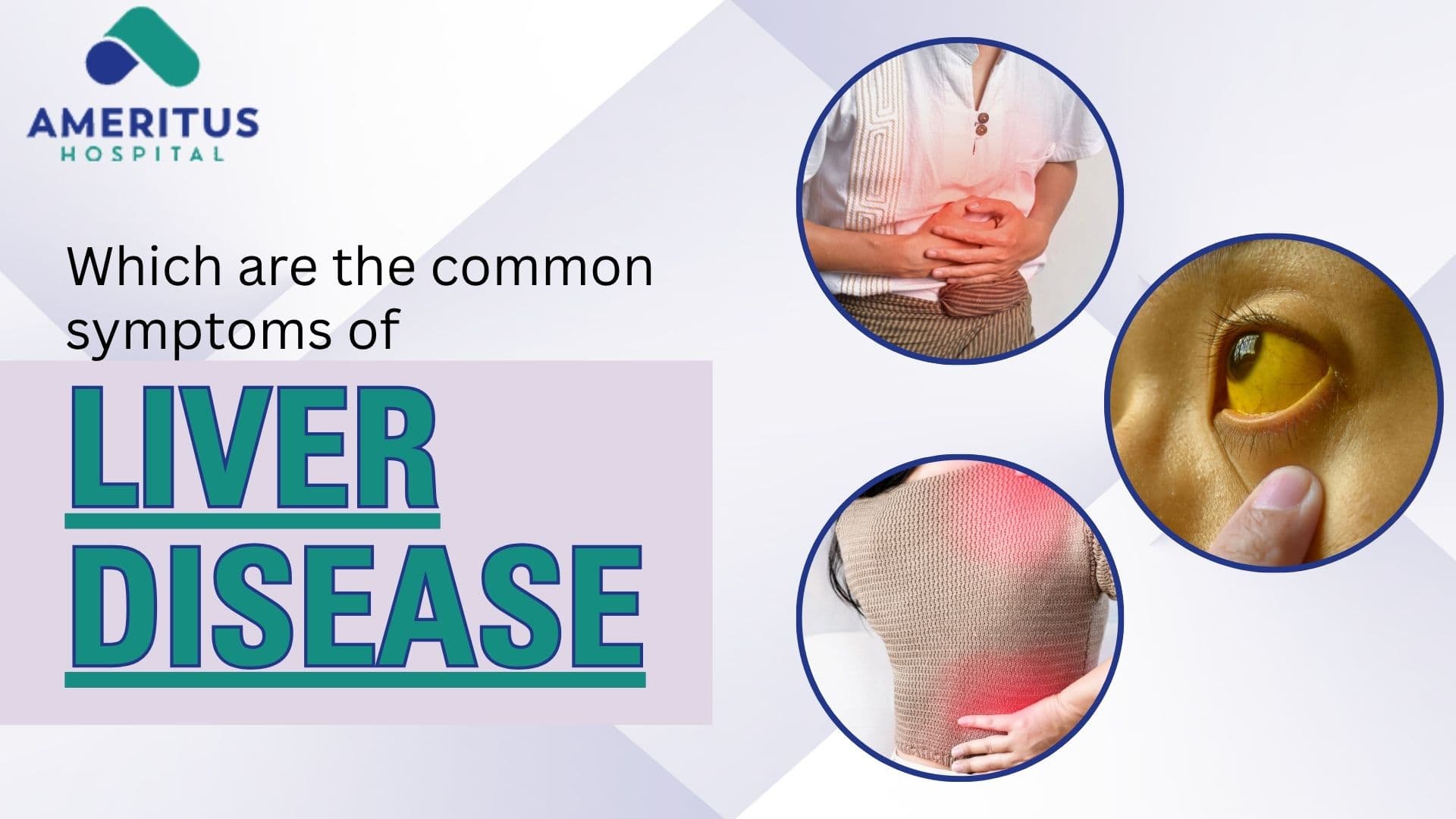
The liver disease symptoms depend on the specific condition you have. It’s possible initially, there are no symptoms, but as time passes by, the situation gets worse, and you start noticing the symptoms. Some of the most apparent symptoms are:

  • Yellowing of the eyes and skin (jaundice)
  • Chalky (gray) stools
  • Pain in the joints
  • Bloating or swelling in the belly
  • Loss of appetite
  • Nausea and vomiting
  • Pain in the upper right part of the belly

How is liver disease diagnosed and tested?

Medical science includes several tests to better analyze liver health. When the condition is checked, the medical history is analyzed, and a physical examination is performed to better understand the entire state. Some of the most common tests that are done are:

  • Blood test
  • Imaging test – CT scan, MRI, and Ultrasound
  • Biopsy

Depending on the symptoms you have and seeing your past medical history, the doctor will make the final call as to what to do next.

What are the Various treatment options?

Similarly, just the way symptoms are checked, the diagnosis is made. In the same manner, for every possible treatment plan, there’s a different treatment that is needed like:

  • Autoimmune hepatitis is treated through medications, and sometimes live transplant is suggested.
  • In the case of NAFLD, the treatment options include having a healthy diet, losing weight, not drinking alcohol, reducing cholesterol levels, and controlling diabetes.

When you consult the medical expert, he will guide you all effectively on which treatment is best to make your condition managed in all the right ways.

Are there any prevention tips for liver disease?

Some of the known prevention tips for liver disease are:

  • Ensure that you wash your hands regularly once you have gone to the washroom or changing diapers. Doing so ensures that the chances of infection are less.
  • Involve yourself in safe sex practices
  • Do not share your personal belongings like toothbrushes, needles, and brushes. Sharing such stuff increases the chances of infection.

Although, if you talk about autoimmune hepatitis, there is no such prevention tip.

Categories
Kartik Goyal peptic ulcers

Everything you need to know about peptic ulcers and their treatment options

Peptic Ulcer and Its treatment

Peptic ulcers are open sores that develop in the stomach lining and on the small intestine’s upper portion. Peptic ulcers can further include different types, and that is:

  • Duodenal ulcers

Occurs on the upper portion at the inside of the small intestine

  • Gastric ulcers

Occurs in the interior of the stomach

At times the symptoms of peptic ulcer can get worse. You must schedule your initial consultation at one of the best Gastroenterology Hospital in Ludhiana to know better what treatment plan would suit your condition the best.

What are the common symptoms of peptic ulcers?

Some of the most common symptoms of peptic ulcer are:

  • Heartburn
  • Nausea
  • The body cannot cope with spicy food
  • Bloating, fullness, and belching like feeling

In most cases, stomach pain is the most common symptom. Moreover, stomach acid can make things more troublesome for you. It’s possible when you have a meal at night; the pain is worse. If you have any of these symptoms, don’t delay and take it as a warning sign to get yourself an all-personalized treatment from the Gastroenterologist in Ludhiana.

Be cautious about the following!

  • Vomiting
  • Appetite changes
  • Unexplained weight loss
  • Faint feeling
  • Trouble breathing
  • Dark blood in stools
  • Vomiting blood

Did you notice any of these signs? It might be possible you have a peptic ulcer.

What are the common causes of peptic ulcers?

Some of the most common causes of peptic ulcer are:

  • Bacterium
  • Intake of pain relievers of an everyday basis

Are there any factors that increase the risk of peptic ulcers?

Well, it’s not just about the medications that you take, but there are other reasons that are likely to make things worse for you like:

  • Smoking
  • Alcohol intake
  • Stress for a long time and not being treated
  • Having excess spicy food

Are there any prevention tips for peptic ulcers?

Some of the preventive measures you should take to reduce the risk of a peptic ulcer-like:

  • Don’t let your body get in touch with infection
  • Be careful when you take the pain killers
  • Get hold of the doctor to understand the right amount of medication you should take

How does a doctor diagnose and treat a peptic ulcer?

The diagnosis is all-important to understand to what extent you have the problem and, accordingly, the treatment plan is given to you. Here are the few tests that are done to diagnose your condition:

  • Laboratory tests for H. pylori
  • Endoscopy
  • Upper gastrointestinal series

Treatment for peptic ulcer

The medications are suggested according to what your condition is like:

  • Antibiotic drugs to kill H.pylori
  • Medication to block acid production and help the body to heal
  • Antacids that work on neutralizing stomach acid level in your body

Visit for the follow-ups regularly

You have to be sure that you visit for the follow-ups daily. This way, it helps to understand the situation in the proper manner, and if the extent of symptoms is severe, then endoscopy is done.

Do you want to know what happens next?

Schedule your initial consultation at Ludhiana Gastro And Gynae Centre to better clarify how your condition can be managed.

Categories
Gastroenterologist Kartik Goyal

Which are the common symptoms that you need to consult a gastroenterologist?

Do you have an upset digestion system most of the time?

Do you neglect your digestive pain?

Well, if you are doing that, don’t do it. Avoiding gastro-related conditions can be a significant problem in the future. Please don’t wait to consult the best Gastroenterologist in Ludhiana otherwise complications can be more than what you expected. There are some signs and symptoms which are essential that you don’t ignore at any cost because health is the greatest treasure of all time.

Major signs and symptoms to consult a gastroenterologist

Some of the most common symptoms that tell that scheduling initial consultation at one of the best Gastroenterology Hospital in Ludhiana is essential:

Gastric problem sign 1: Bowel movement is not normal

If your bowel movement is not proper and you have constipation or diarrhea,, then better consult the doctor. Constipation is one of the signs that you have several other health issues like:

  • Neurological issue
  • Blockage
  • Hormonal malfunction
  • Others

So, if you get to know there is an abnormal bowel movement, then make sure to seek medical assistance at the earliest.

Gastric problem sign 2: Blood in vomitus

If there’s blood in vomitus, then it needs prompt medical assistance. Such conditions can be the reason for several medical conditions. So, it’s worth consulting the gastroenterologist the right way.

Gastric problem sign 3: Jaundice

Jaundice is the indication there’s a liver issue, and it is not working correctly. Such condition is likely to occur due to several reasons like:

  • Alcoholic hepatitis
  • Hepatitis
  • Autoimmune Hepatitis

Therefore, consulting the gastroenterologist at the earliest is essential to address the problem on time better.

Gastric problem sign 4: Rectal Bleeding

When you use the toilet, if you see blood, there’s a severe issue. You must consult the gastroenterologist at the earliest. Such a situation is likely to occur due to hemorrhoids. Such a condition needs medical assistance, so make sure you get it on time.

Gastric problem sign 5: Abnormal bleeding or pain

If you have pain or bleeding without any reason or after you have a meal, consult the gastroenterologist. Make the earliest appointment with the gastro doctor to see what’s wrong and how it can be addressed.

Gastric problem sign 6: HeartBurn continuously

Do you have heartburn? Do you have a burning sensation in the chest or heart? Both these issues are common and can occur after the medical intake. Especially if you have heartburn regularly, then it’s worth consulting the gastro doctor.

Gastric problem sign 7: Presence of Gallstone

Do you have stomach pain on your right side?

It’s one of the signs you may have gallstones. With age, the gallstone development is going to increase. Moreover, those dealing with being overweight and pregnant even are at higher risk of getting gallstones.

Gastric problem sign 8: Dysphagia

Problem swallowing solids or liquids? Is it getting severe? Consulting the gastro doctor is all-important so that the condition does not get worse with time.

Categories
Kartik Goyal The Medical Hub

What happens during colonoscopy? How do I prepare myself for a colonoscopy?

What, How, When & Why? 

All these questions are common to occur in an individual mind when they choose to get any treatment plan. In this blog, we are going to discuss the colonoscopy so that you can prepare yourself in the right way and nothing will come to you as a surprise.

What happens during a colonoscopy?

The colonoscopy takes around 30 to 60 minutes to perform. You will be given sedatives that make you feel relaxed but drowsy after the procedure.

  • A colonoscope is inserted per rectally which allows a better look at the colon lining & different abnormalities are checked. The device is put through the rectum area and then it further goes into the large intestine.
  • The scope is flexible which allows it to move easily in the colon region and by doing so, there is better visibility of everything. The scope helps in blowing air to the colon area and then everything is easily visible.

During the procedure, it is expected to have normal cramps. Just make sure the entire time you take deep breaths.

Is there something that I need to be careful about before getting a colonoscopy?

Make sure that you tell the doctor if you are undergoing any sort of health issue like:

  • Pregnancy
  • Lung problem
  • Heart problem
  • Allergy
  • Diabetes

What are the necessary steps to prepare for the colonoscopy?

Diet & fluid intake needs to be limited before the procedure. Just make sure that you follow and do everything as to what the doctor says. Following the treatment, it’s better to ask someone to drop you back at your place. As you are under the effect of sedatives, make sure to not drive for 8 hours.

What happens after you undergo colonoscopy?

  • The doctor will keep a close check over your condition for 30 minutes.
  • It’s normal to experience cramps, gas, although it usually goes away.
  • As per the doctor suggests you can eat your normal food

You need to follow every single instruction given by the doctor.

Signs that you need to call the doctor

Although complications are rare with colonoscopy, it is essential that you carefully take into account everything. The problem of puncture and bleeding is rare. You must consult the doctor at the earliest if you notice the following signs:

  • Severe abdominal pain, chills, or fever
  • Excess or prolonged rectal bleeding


Categories
Kartik Goyal The Medical Hub

Piles: Common problem which can improve with a timely treatment plan

Piles 

Piles are also known as hemorrhoids which are swollen veins present inside the rectum or outside the anus area. It can lead to itching, pain, and rectal bleeding. Just the at-home treatment can make the condition better. The condition is likely to result in irritating symptoms. The problem is likely to occur in people after the age of 50 and even younger people specially in theose having constipational 

Who is at increased risk of getting piles?

Well! The condition can occur in anyone and you are likely to be at more risk due to the following problems:

  • Overweight or obese
  • Pregnant
  • Chronic constipation or diarrhea
  • Lifting heavy objects way too much
  • Sit on the toilet seat for a long time
  • Diet contains less amount of fiber

What are the different types of piles?

Piles or hemorrhoids are divided into different categories which are mentioned below:

  • External

You have swollen veins which are present below the anus area. The external piles are likely to result in pain and itching. It might be possible you experience bleeding. 

  • Internal piles

Inside the rectum region, there is the presence of swollen veins. This condition is likely to result in bleeding but it won’t lead to any sort of pain. 

  • Prolapsed

Both the above types can come under the prolapse which means it is well outside the anus and is stretched. This condition is likely to bleed & result in excess pain. 

What are the causes of hemorrhoids?

When excess train or pressure is put on the rectum or anus area the pile’s condition is likely to trigger. If excess pressure is put down then there are increased chances of experiencing swelling & inflammation. The chances of pile increases due to:

  • Experiencing pelvic pressure due to weight gain (Cjanes are higher during pregnancy)
  • Lifting heavy objects
  • Bowel movement is pushed way too hard

What are the major signs & symptoms of piles?

Depending on the pile’s type you will experience symptoms. The internal hemorrhoids do not cause any pain, whereas external piles might lead to bleeding, and prolapse piles will lead to pain & might lead to excess discomfort. 

What are the necessary tests performed to diagnose piles?

The symptoms are checked & later physical examination is done. The necessary tests which can be performed are:

  • Digital rectal examination
  • Anoscopy
  • Sigmoidoscopy

What can I do to prevent piles?

With old age, you have increased chances of getting diagnosed with piles. There are different steps which you can take to prevent this condition like:

  • Increase the intake of water
  • Don’t sit for too long in the toilet seat or never push too hard
  • Increase intake of fiber-rich food in your diet
  • You need to keep yourself active
  • Do not have too many laxatives